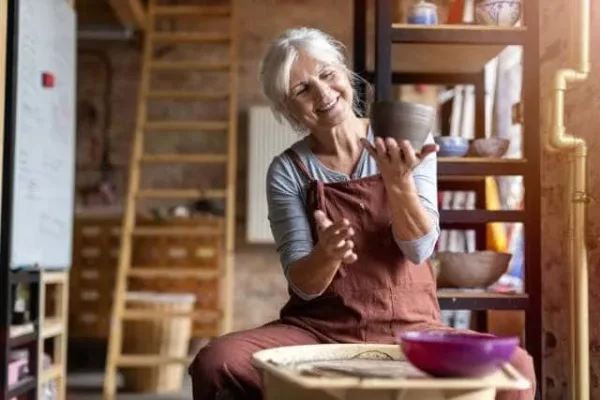
Retirement often brings something many people dream about for decades: more free time. But free time alone does not automatically create happiness. Without meaningful activities, structure, and enjoyment, many retirees can feel bored, disconnected, or restless.
That is where hobbies become incredibly valuable. The right hobby can add purpose, reduce stress, improve mental sharpness, create routine, and make everyday life more enjoyable.
The best hobbies after 65 are not necessarily expensive or physically demanding. Often, the most rewarding hobbies are simple, calming, and easy to sustain.
Why Hobbies Matter in Later Life
Healthy hobbies can support overall wellbeing in many ways.
Benefits may include:
- Reduced stress
- Better mood
- More social connection
- Sharper memory
- Improved confidence
- Gentle movement
- Sense of purpose
- Daily enjoyment
Retirement is not only about rest—it is also about staying engaged with life.
- Gardening
Gardening is one of the most therapeutic hobbies for many older adults.
Why it works:
- Fresh air and sunlight
- Gentle movement
- Stress relief
- Satisfaction from growth
- Beautiful surroundings
Even if you do not have a yard, container gardening on a balcony or patio can be rewarding.
- Walking and Nature Exploration
Walking is more enjoyable when viewed as a hobby rather than exercise.
Ideas include:
- Exploring local parks
- Bird watching
- Nature photography
- Scenic walking routes
- Walking groups
This combines movement with relaxation.
- Reading
Reading remains one of the best low-stress hobbies for keeping the mind active.
Popular choices include:
- Fiction
- History
- Memoirs
- Spiritual books
- Personal development
Joining a book club can add a social element.
- Arts and Crafts
Creative hobbies can be calming and mentally stimulating.
Examples:
- Painting
- Knitting
- Crochet
- Pottery
- Wood crafts
- Scrapbooking
The process matters more than perfection.
- Cooking and Baking
Many retirees rediscover joy in cooking once they are no longer rushed.
Ideas:
- Healthy recipes
- Family dishes
- Baking bread
- Learning global cuisines
Cooking can also support nutrition and independence.
- Music
Music is deeply powerful for emotional wellbeing.
You might enjoy:
- Learning piano or guitar
- Singing in a group
- Listening sessions
- Creating playlists
- Revisiting favorite eras of music
Music often lifts mood quickly.
- Puzzles and Games
Mental hobbies help keep the brain active.
Great options:
- Crossword puzzles
- Sudoku
- Chess
- Card games
- Jigsaw puzzles
- Word games
They can be solo or social.
- Volunteering
Helping others is one of the most fulfilling hobbies many retirees discover.
Possible opportunities:
- Libraries
- Animal shelters
- Food programs
- Schools
- Community centers
Volunteering combines purpose and social connection.
- Photography
Photography encourages creativity and exploration.
You do not need expensive equipment. Even a phone camera works well.
Subjects might include:
- Nature
- Family
- Architecture
- Local events
- Travel memories
- Learning Something New
Many adults stop learning formally after work life, but retirement can be an ideal time to restart.
Try:
- Language classes
- Technology skills
- Writing
- History courses
- Art lessons
Growth supports vitality.
How to Choose the Right Hobby
Ask yourself:
Do I prefer social or solo activities?
Indoors or outdoors?
Active or relaxing?
Creative or practical?
Free or paid?
There is no perfect answer. Try different things without pressure.
- Common Mistakes to Avoid
- Waiting to Feel Motivated
Action often creates motivation.
Thinking Hobbies Must Be Productive
Enjoyment itself has value.
- Quitting Too Quickly
Some hobbies become fun after the learning stage.
Final Thoughts
Low stress hobbies after 65 can dramatically improve happiness and wellbeing. They provide more than entertainment—they create rhythm, connection, purpose, and joy.
Retirement becomes richer when your days include activities you genuinely look forward to.